Top Things to Do in Tokyo at Night
Tokyo is by far the most populated city in the world and an absolute must-visit for anyone traveling to Asia. Its vibrant nightlife is legendary, and for city lovers like me—coming from São Paulo, where the night scene is king—Tokyo after dark is simply unmissable.
The city seamlessly blends cutting-edge technology with grand modern architecture, creating spectacular night vistas. Yet, it’s also deeply rooted in rich cultural history, giving you a uniquely Japanese experience that’s both futuristic and traditional.
It’s no wonder Tokyo has captured the imagination of the world, appearing in countless TV shows and movies and drawing visitors from across the globe eager to explore its energy after sunset.
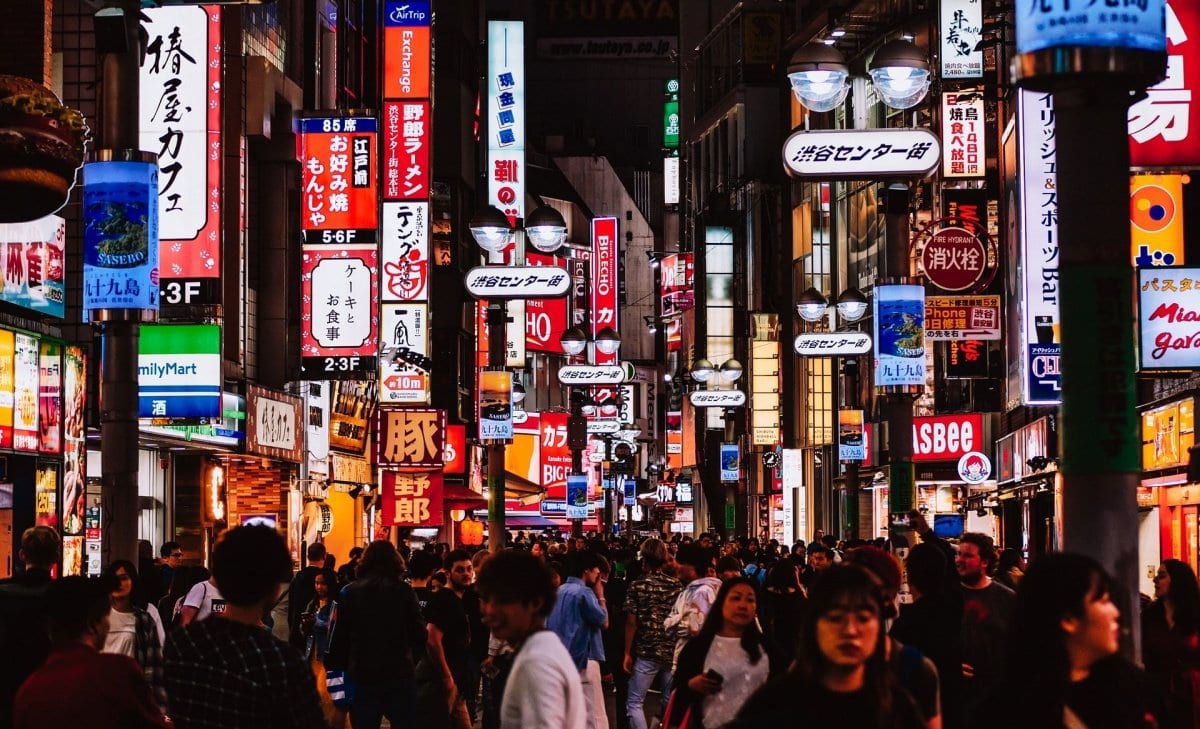
Compared to centuries-old capitals, Tokyo (formerly Edo) is relatively young—but what it lacks in age, it makes up for in energy and modernity. The city has grown at a meteoric pace, blending cutting-edge technology with historic charm.
At every corner, you’ll find state-of-the-art innovations, while just down the street, a 19th-century neighborhood or a tranquil Buddhist temple reminds you of Tokyo’s rich past. The sheer variety of experiences here is unmatched, offering something for every traveler—whether you love history, nightlife, or futuristic adventures.
If Tokyo seems a bit pricey, there are also great budget-friendly alternatives nearby that still capture the city’s vibrant atmosphere.
Things to Keep in Mind for Tokyo Nightlife
-
Public Transport: The last trains leave around midnight and resume service at 5 a.m. This doesn’t mean the party has to end—just plan your schedule carefully. Taxis are expensive, so relying on trains and subways is the smart choice.
-
Legal Drinking Age: You must be at least 20 years old to drink alcohol in Japan, and vendors strictly enforce this law.
Where to Party in Tokyo
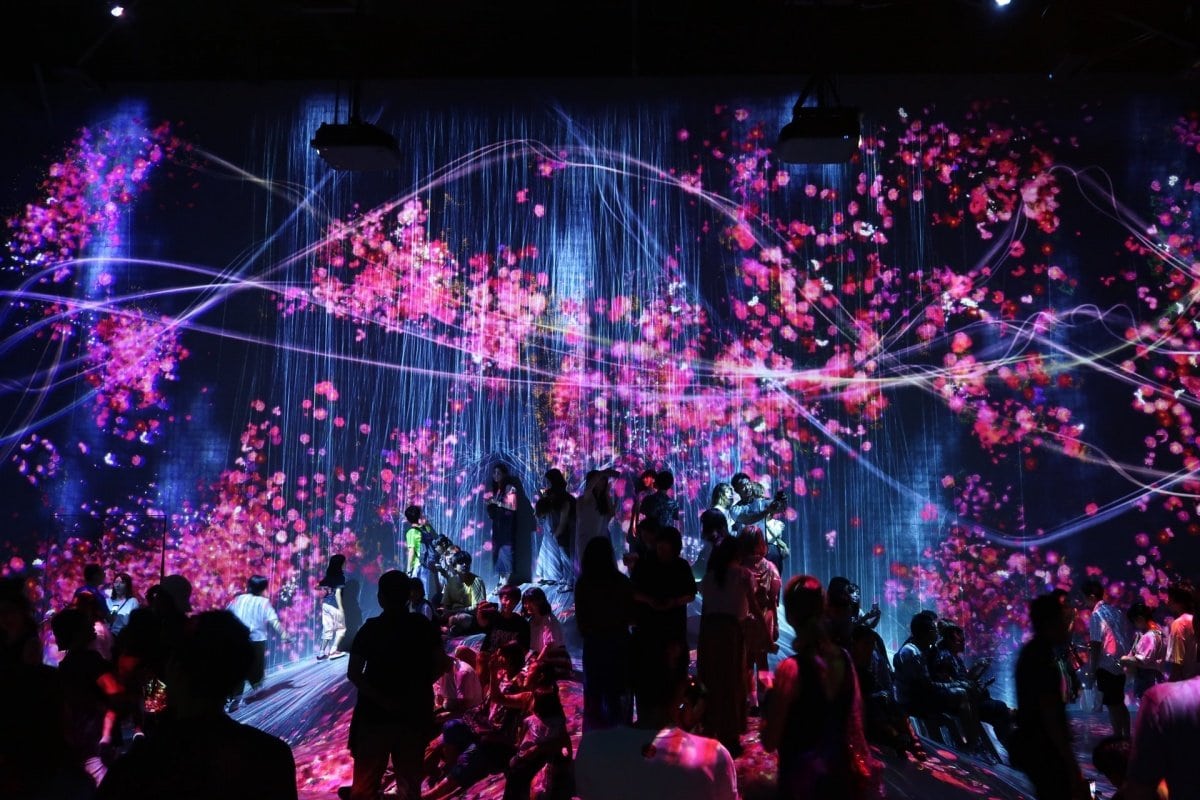
Shibuya is the ultimate starting point for nightlife, often called Tokyo’s youth capital. This bustling district attracts both locals and tourists to its clubs, bars, and music venues, featuring some of the city’s best DJs.
-
Clubs in Shibuya are typically spacious, multi-level, and equipped with high ceilings and captivating light shows.
-
The scene is heavily focused on electro and techno music, with both local and international DJs performing regularly.
-
Entry fees generally start at around $15 USD, though special events may cost more.
Shibuya is the perfect place to experience Tokyo’s electrifying nightlife, combining music, lights, and culture in one unforgettable night.
If electro and techno don’t suit your tastes, then a two-minute walk will take you to the Vuenos, where you can listen to reggae.
Another famous part of Shibuya is the so-called “Love Hotel Hill”, where people of all preferences can find company.
There are many motels to take shelter in if you happen to miss those final trains.
Sooner or later, the hectic beat of the metropolis nightlife can become too much for anyone.
Fun fact about Shibuya: the world-famous dog, Hachiko, also watches over the district in the form of a bronze statue.
In the 1930s, the real Hachiko went to meet his owner at the train station every day, even ten years after the owner had passed away.
It’s a sad but heart-warming tale that people remember fondly.

Now that you’ve partied your heart out and are looking for things to do in Tokyo at night with family, let’s explore some other options!
Explore Various Themed Restaurants
Japan hosts endless numbers of themed restaurants and bars throughout the country.
It’s nearly impossible not to find the one that suits you if you look long enough.
Wherever you go in Tokyo, you will certainly stumble upon them, and it just might be the one you’re looking for!
The Robot Restaurant in the Shinjuku district is the most famous one and of the greatest attractions in Tokyo.
It’s more of a cosplay performance than a restaurant, but they serve food as well as snacks and drinks.
The dazzling show with neon lights and lots of visual effects guarantees a memorable experience.

There are also prison-themed bars like “The Lockup” or other vampire and anime bars, so there’s something for everyone.
For all the clubs and restaurants that make Tokyo seem too hectic, it’s among the best places to be for introverts too.
Shop to Your Heart’s Content
If you do visit the Robot Restaurant, stay in Shinjuku a while longer, as it has a lot to offer.
Get off the busiest train station in the world to discover the most chaotic and crowded business district in Tokyo.
It is widely popular for its shopping malls and boutique that dot the streets.
Shinjuku offers many options, so it’s sort of a middle ground between the markets and high-end areas.
If you are interested in high-end, however, discover the elite shopping centers in the pedestrian area of Ginza. Mingle with the high society of Japan in one of the most decadent shopping areas in the world.
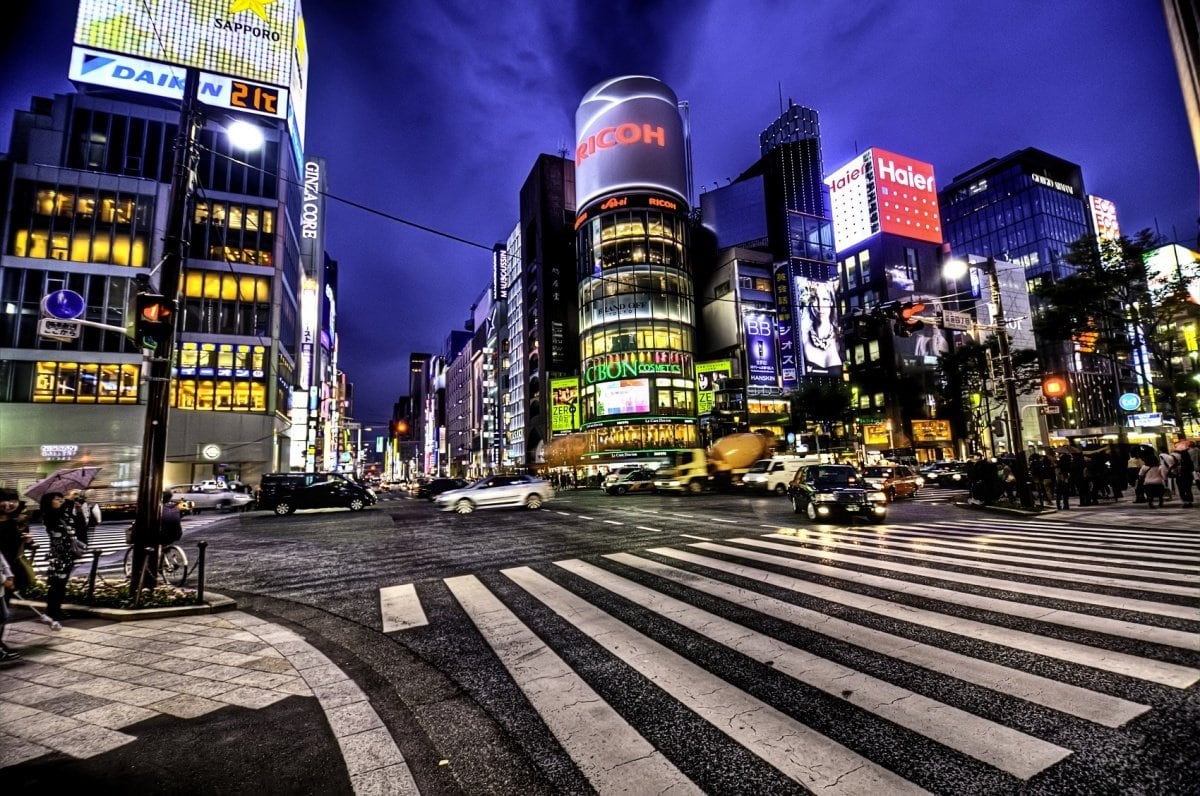
Here you’ll find most of the outrageously expensive boutiques and shopping centers along the Chuo Dori.
It’s a roughly 1 km-long shopping street, which is particularly popular on weekends because it is closed to traffic in the afternoon (hence the pedestrian paradise).
As soon as it gets dark, many smaller bars greet the evening with their bright neon signs, illuminating the Tokyo skyline at night.
Especially the big red-light district, Kabukicho, stands out as the evening moves in. Since the colorful neon signs are all in Japanese, you can consult your phone to avoid getting lost in the crowd.
Many clubs have their websites which are readily available and offer detailed descriptions about their atmospheres and services.
Mingle With Other Tourists and Foreigners
Stay long enough in Japan, and you will start to yearn for some familiar company.
As beautiful as Tokyo nightlife is, if you’re constantly around people who speak a foreign language, it can get draining.
But don’t rush to get that airplane ticket home just yet, there’s a solution!
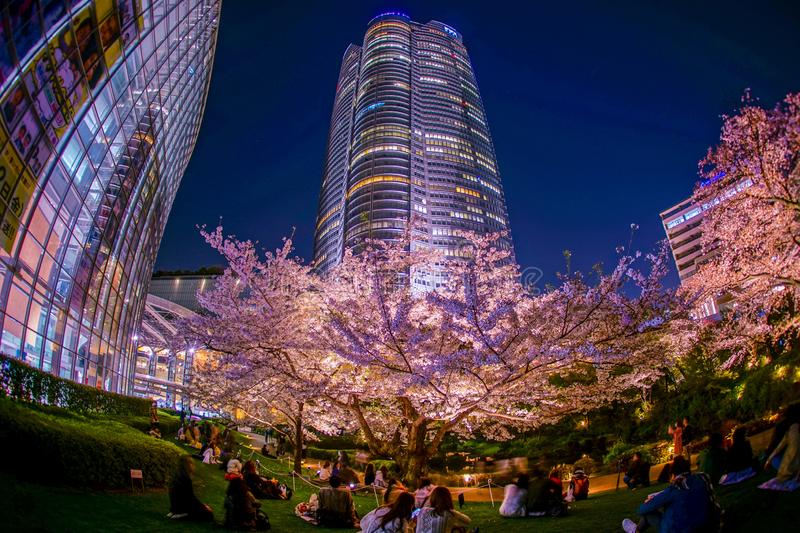
Roppongi is the ultimate melting pot of tourists of all sorts.
A large number of bars, discos, clubs, and salsa dance halls in this area make it particularly popular for international tourists who love to party in Tokyo.
Over the years, Roppongi has developed into a central meeting point for foreigners and internationally oriented Japanese.
The hosts and the residents of Roppongi are well suited and used to dealing with tourists, especially those speaking English.
In some cases, there are even special international parties, which are also popular with the locals. These often take place from 6.30 p.m. on, so you can start partying early in the evening.
There’s no denying that Tokyo at night has a lot to offer, but nevertheless, stay cautious.
Some entertainers are quite aggressive in advertising for various bars. Be on your guard to avoid being swindled, and remember that you’re here to have a good time!
The romantics among you that consider the capital a bit loud and crowded should keep Kyoto in mind as a possible alternative.
It radiates tranquility and complements Tokyo perfectly as both offer different atmospheres and possibilities.
Play Karaoke at the Golden Gai
Karaoke is huge in Japan and one of the locals’ favorite pastimes, which might come as a surprise to many people from western countries.
It is definitely one of the best activities to try out after a night of partying and drinking.
For a night of karaoke, we recommend the Golden Gai, one of the more bizarre and exciting neighborhoods in Shinjuku.
It’s an area with a distinct personality that remains mostly untouched by the recovery effort after the Second World War.
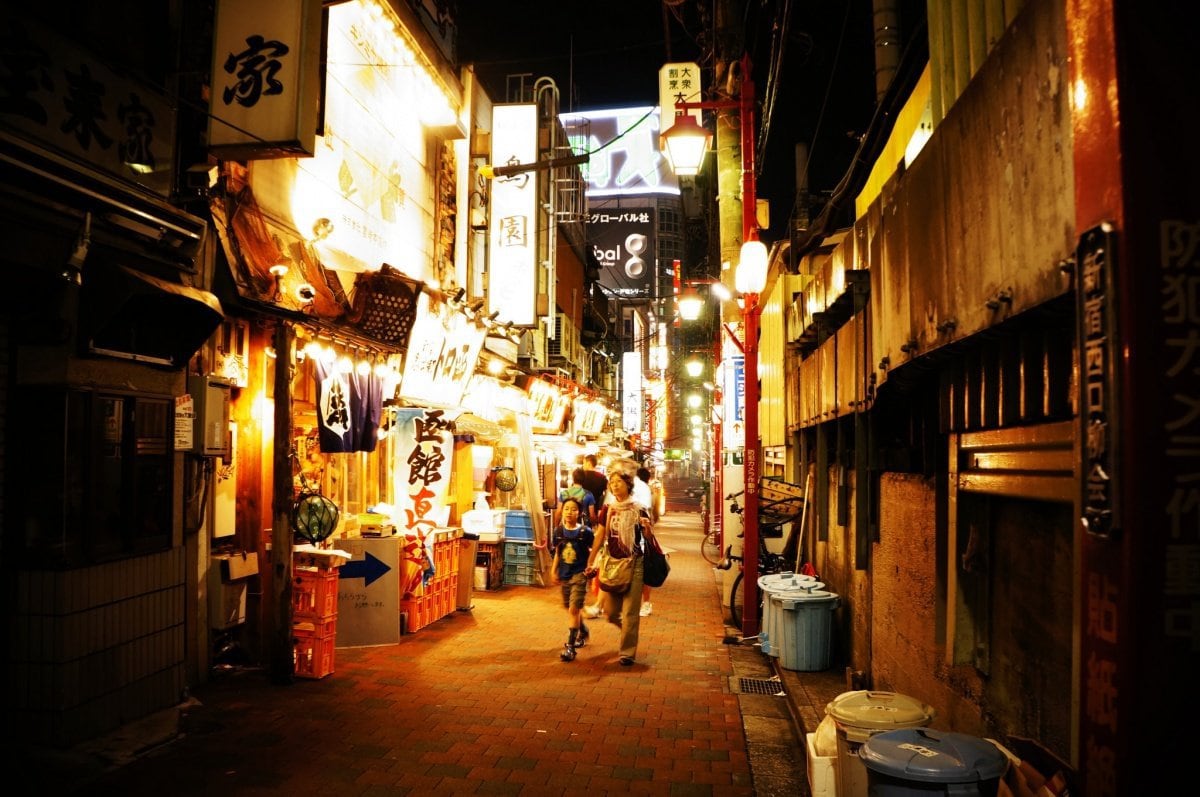
Here you’ll find some of the best bars in the district, all of them offering a distinct and unique atmosphere.
Some of the bars are only for locals and don’t permit foreigners. This is more due to their intention to preserve a tight community rather than to be hostile towards tourists, but it’s worth a mention.
Enjoy the Sights and Beautiful Vistas
The skyline of Tokyo at night is a sight that demands a proper viewpoint. To get the best view of the whole city, you should probably start with the Tokyo Tower, one of the most famous and recognizable landmarks.
It not only broadcasts television and radio signals but is also a major tourist attraction.
Two viewing platforms get thousands of tourists every year. The tower was painted in bright white and orange, making it very visible during the day as well.
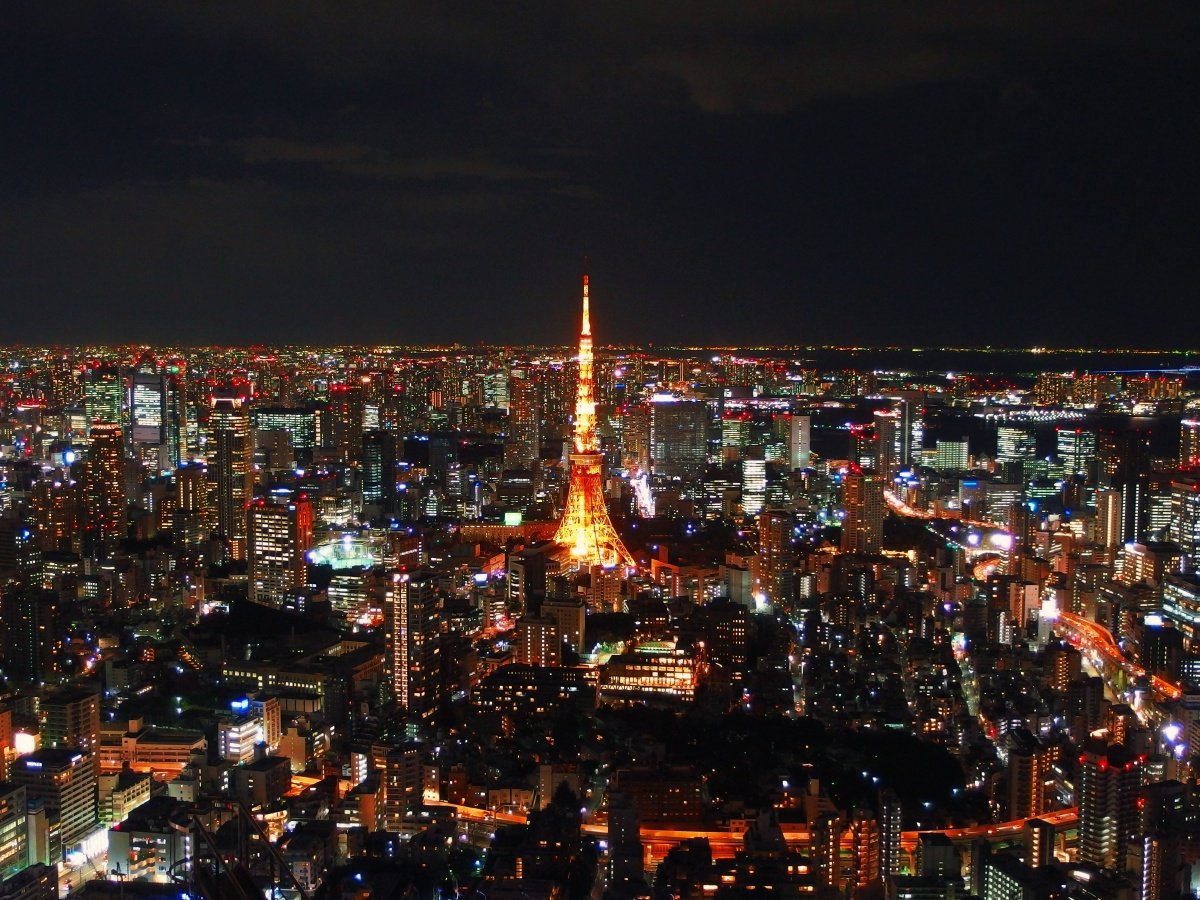
During the night, the tower is illuminated and looks like a colossal lighthouse, guiding tourists instead of boats.
Visitors can overlook the cityscape from one of the two observation decks and visit FootTown.
It’s a building complex underneath the tower that houses an aquarium, restaurants, as well as a museum and mini playgrounds.
Another fascinating attraction is the Rainbow Bridge by the port. Roads on multiple levels can access the bridge, and it connects the mainland with the picturesque Odaiba peninsula.
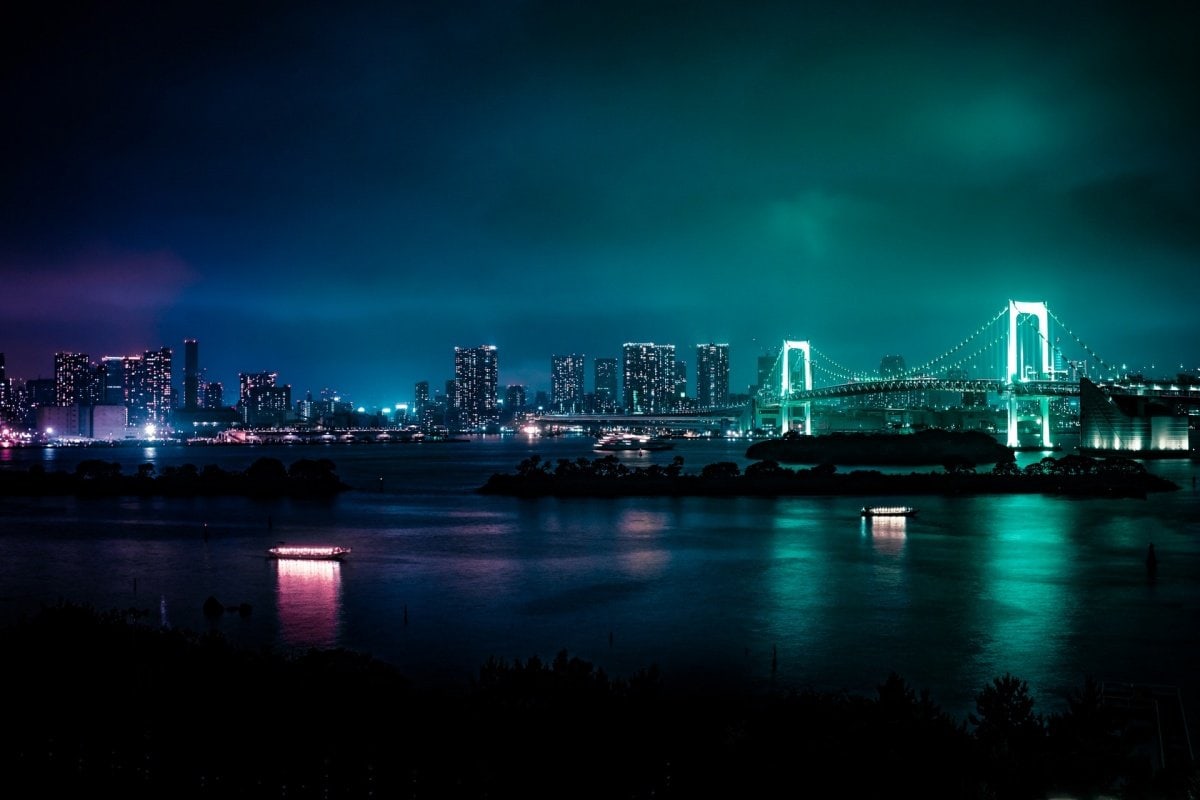
This area of Tokyo is swarming with tourists at night when the view is at its best.
After dark, the Rainbow Bridge lights up in different colors and truly lives up to its name.
There are also other attractions in the port that highlight Tokyo’s natural splendor.
One of them is the beautiful Hamarikyu Garden, a nearby park that’s perfect for nature lovers.
It offers a break from city’s concrete jungle, not unlike the Central Park in Manhatten.
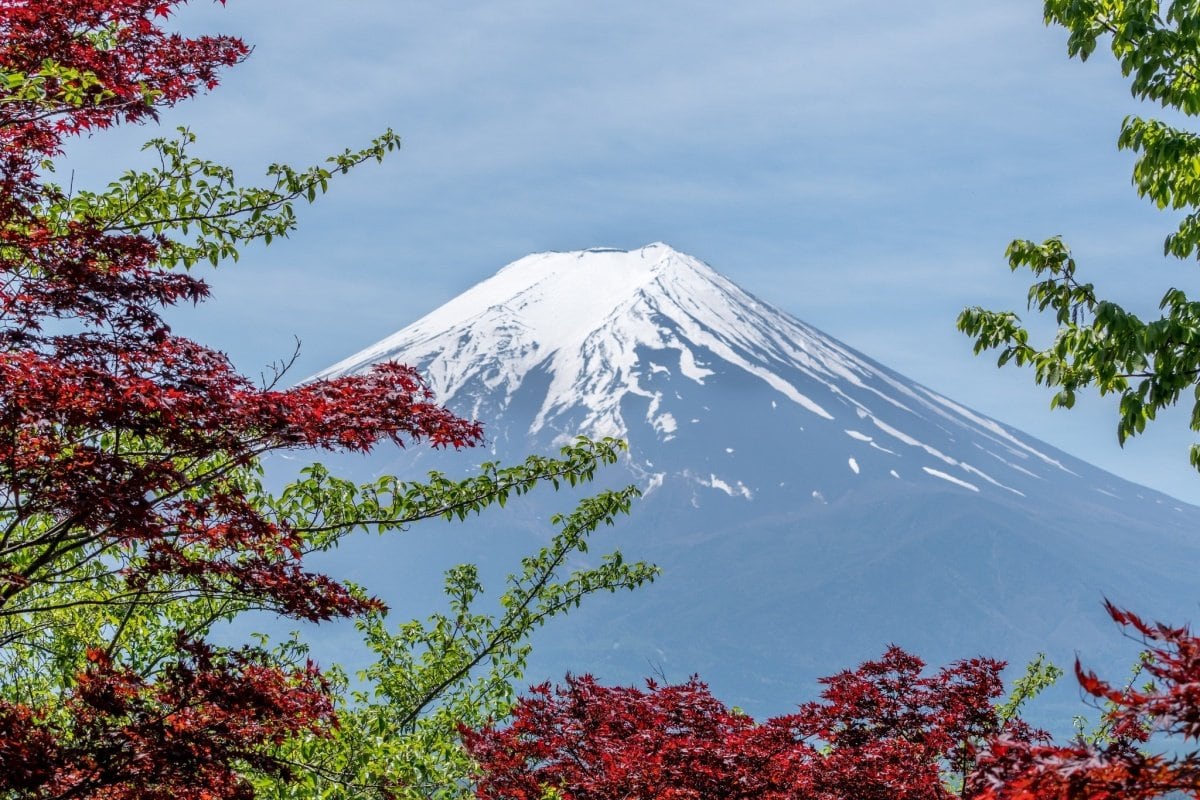
There is another massive landmark visible from Tokyo, far into the distance that is surely familiar to all volcano connoisseurs out there, Mount Fuji.
Even though it’s almost 100 km away from the city, it’s still visible and a sight to behold.
Geek-Out in Akihabara
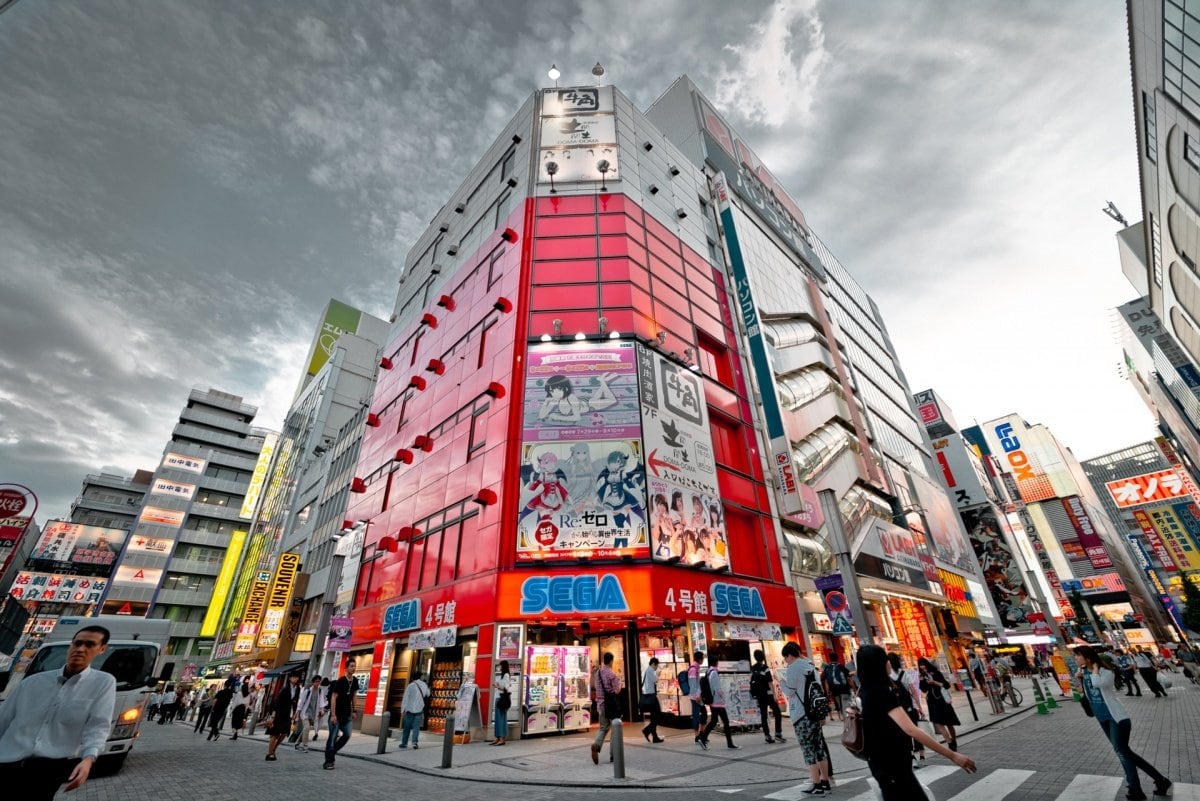
Akihabara, the land of arcades, is among the wildest neighborhoods in Tokyo.
Japan, in general, has a plethora of weird customs unfamiliar to many of us, but Akihabara takes the cake.
Here you’ll be greeted by colorful and flashy billboards, huge skyscrapers, hundreds of arcades, and countless department stores.
Everything follows the theme of technology and computers.
For anime fans, this area might become your personal heaven. You can spend hours in the various department stores and discover the craziest merchandise.
Mangas, anime figures, and cosplay requisites await you at every corner. If you’re not a fan, all of it might seem a touch overwhelming, but don’t let that intimidate you.
One of the local favorites is trading of polaroid photos that people take with Maids from all over the area.
Akihabara is the home to most of Maid cafés in the city, which you have to visit at least once.
They are a big deal in Japan, and most share the tone of kawaii cuteness. The food decorations are also in the form of cute animals and accessories.
While eating, you can enjoy the song and dance routines that play out in the background.
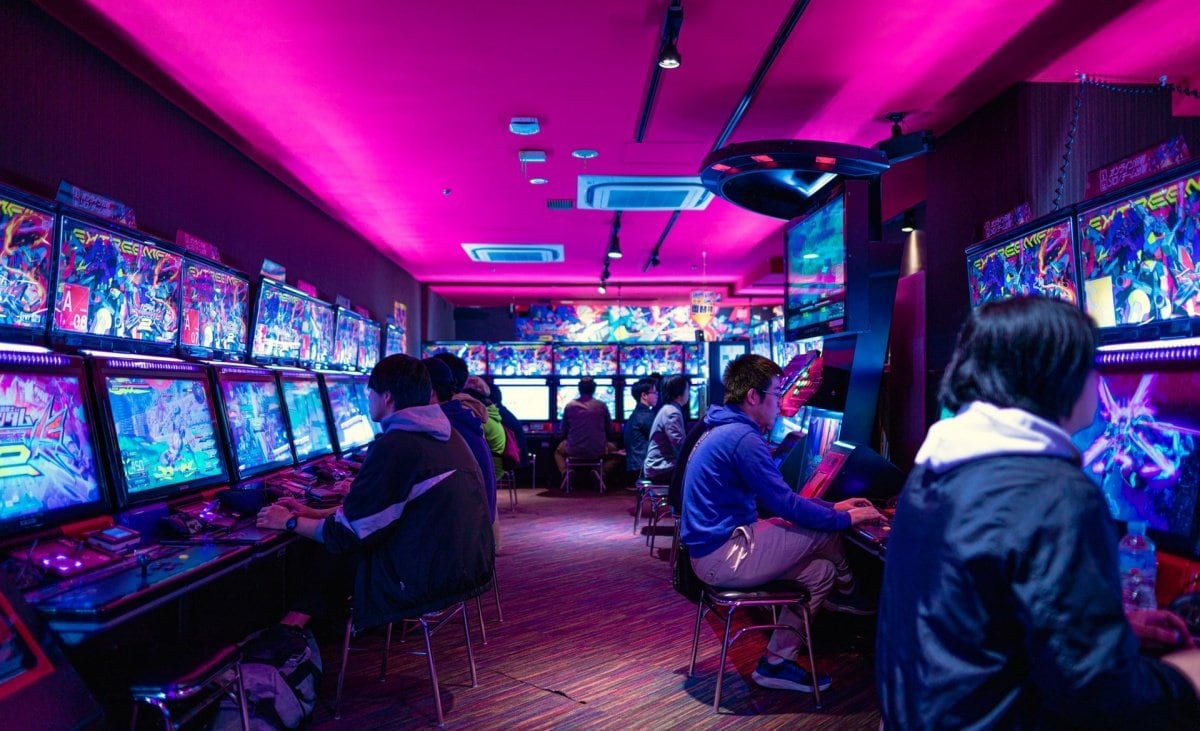
The entire Tokyo comes alive at night, and Akihabara is no different. Once you’re done with the cafés, you can try your luck at the arcades or the Pachinko machines that litter the area.
Spend a Night at the Capsule Hotels
These hotels offer an experience that is mostly unique to Japan and Tokyo.
As a concept, Capsule Hotels really make sense for a country with such a vast population, but they are also fantastic as tourist attractions.
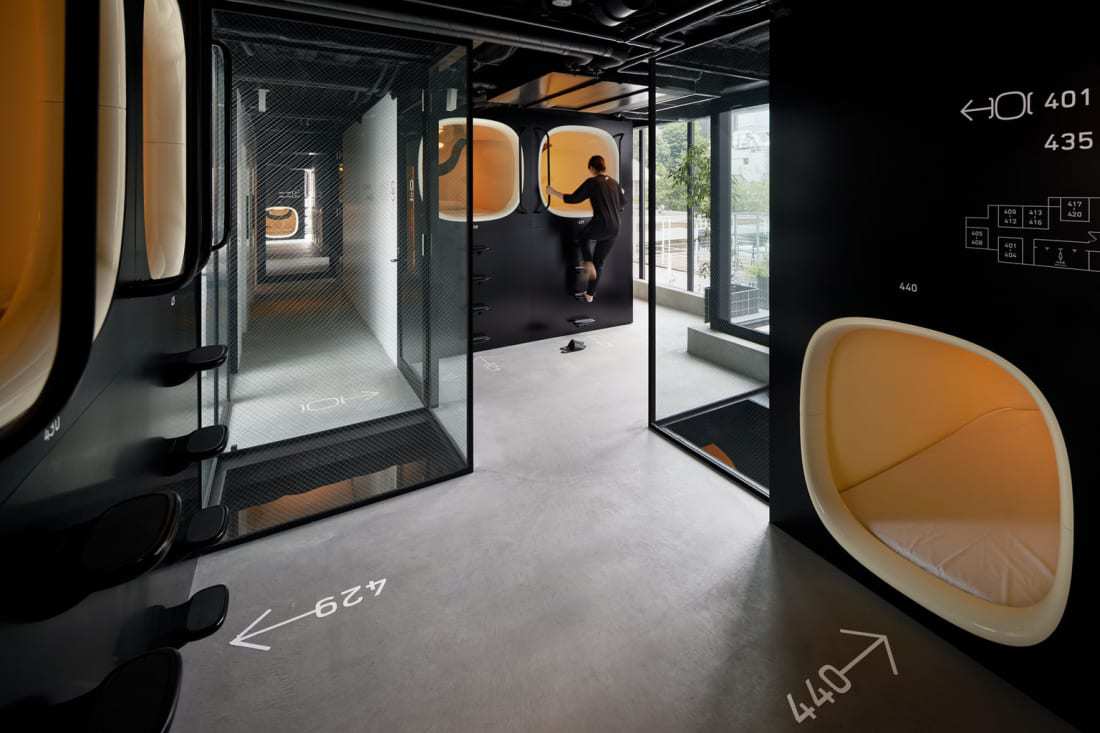
They are somewhat comparable to hostels because you share a hall with numerous other foreign guests.
However, you won’t be sleeping in uncomfortable bunk beds, but in your very own capsule. They are like cozy little lockers, but only for people.
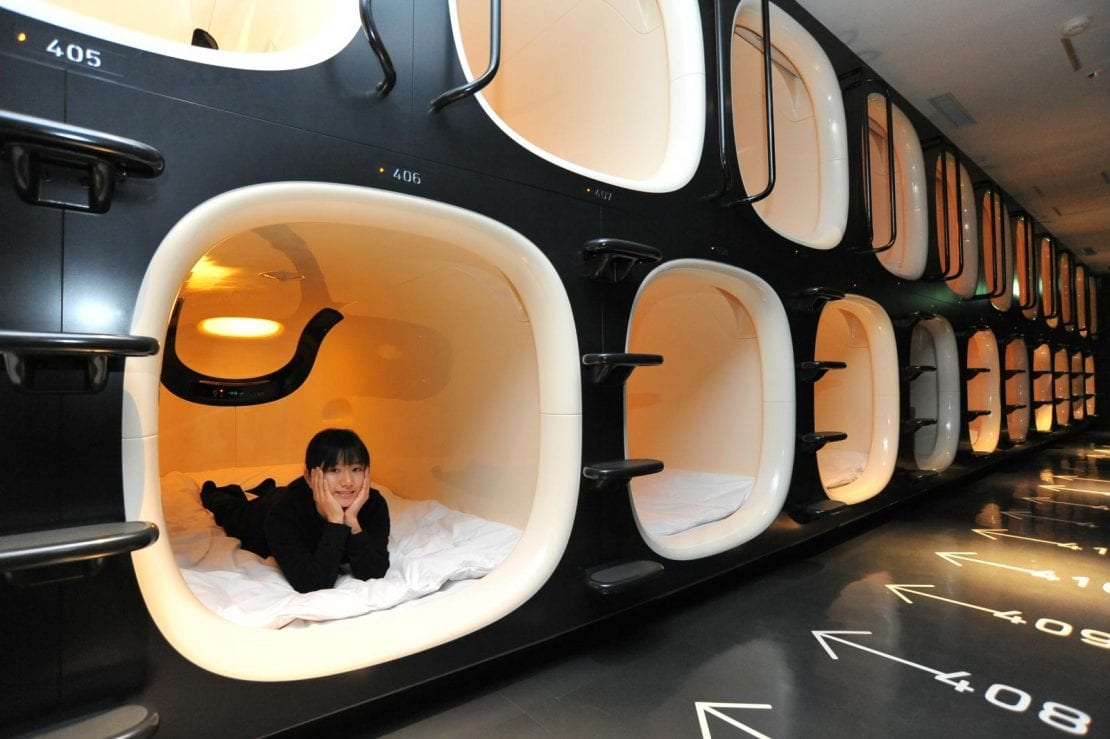
The capsules are slightly larger than regular single beds and are deceptively spacious.
The tallest people may struggle, but the vast majority can rest comfortably without worrying about space. Most capsules are equipped with a radio, headphones, socket, lights and sometimes even television.
In addition, you usually get a set of towels, pijamas, a toothbrush, and other necessary equipment.
You can store your luggage in large lockers and snuggle into your bed after a long day of exploring Tokyo at night.
Of course, with so many people, often up to 40 guests per room, it can get a little loud.
This is one of the reasons why Capsule Hotels are not suitable for a longer stay, but they are still a great experience.
And the good thing is that this type of accommodation is available for about $15 per night.
Sample the Seafood from Huge Fish Markets
When you decide to take a break from partying, a fresh snack might be exactly what you need.
Being an island country, Japan is home to some of the biggest fish markets in the world. All fans of seafood simply owe it to themselves to grab some of the tastiest fish you can find anywhere.

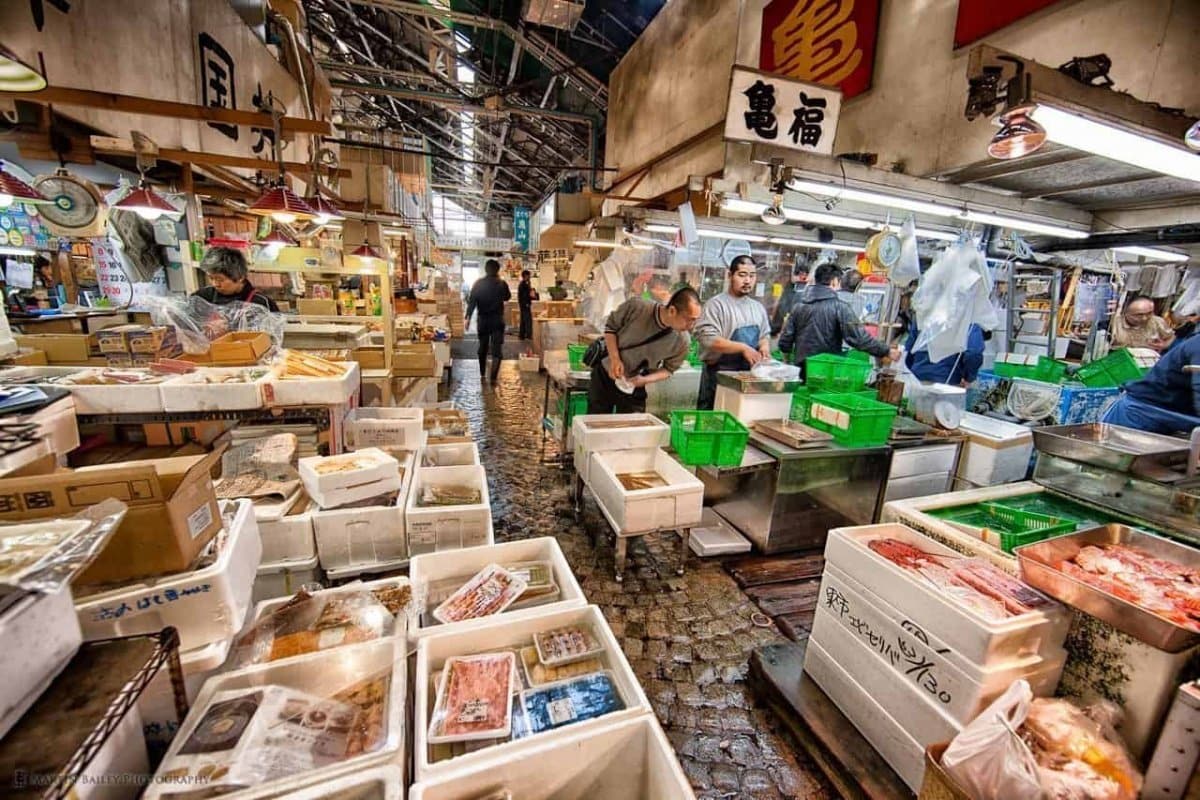
Tsukiji Market in Tokyo remains the biggest fish market in the world, and the city remains one of the favorites for food lovers.
Over 2000 tons of fish and seafood pass through it daily, and all of it is fresh!
If you’re into sushi, there are plenty of stalls that are probably making the best sushi in all of Japan.
The fish is usually the best early in the morning, but Tokyo has a healthy selection to choose from at night as well.
A particular highlight is the tuna auction where hundreds of visitors participate daily.
There is special quality control for the tuna that’s on sale, so there are no reasons to worry. These auctions tend to move around from location to location, so try to look them up before going.
After a night out, Tokyo has plenty of options to recharge and refresh. Many fresh fruit and vegetable stands are scattered throughout the city, perfect for a healthy snack while waiting for the 5 a.m. train.
If you decide to extend your exploration into the daytime, Tokyo offers countless activities and sights, from markets and museums to tranquil parks and historic neighborhoods.
Be mindful, though—Tokyo can quickly drain your finances if you’re not careful, making your next vacation more expensive than planned.
Travel Tip: If you’re staying in areas like Ginza, one of Tokyo’s most famous shopping districts, there are clever ways to save money or even explore for free while still enjoying the vibrant energy of the city.